

Our Pest Control Blog
Welcome to our pest control blog, where we share expert tips, advice, and solutions to help you keep your home or business pest-free. Here, you'll find helpful articles on local pests, prevention methods, and the latest trends in pest control. Stay informed and take control of your pest problems with insights from our experienced team!

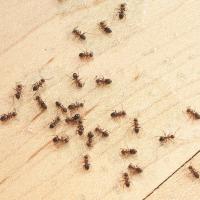
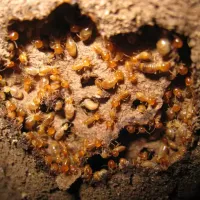
A spring termite swarm in Richmond means a colony has already been feeding for years. To prevent structural damage, look for mud tubes, hollow wood, and crawl space moisture in late winter. Catching these "pre-swarm" signs early allows for proactive Sentricon treatment before peak activity begins.
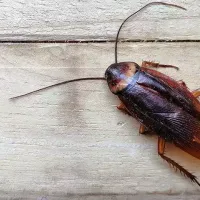
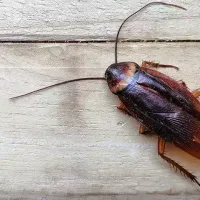
Richmond’s climate and river geography support a diverse pest population, from structural-damaging termites and James River mosquitoes to urban rodents and cockroaches. Because these pests pose both health and property risks, effective management requires a year-round strategy of moisture control, professional barrier treatments, and annual inspections.
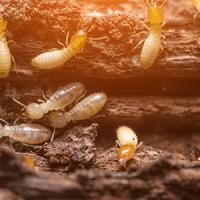
Richmond’s historic Fan and Museum Districts face high termite risk due to aged wood and low-clearance crawl spaces. Because plaster and original hardwoods hide early activity, these homes require specialized, non-invasive Sentricon baiting to protect historic masonry while eliminating subterranean colonies.
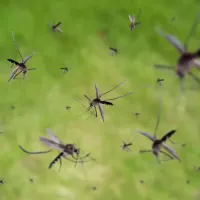
Richmond’s mosquito surge is fueled by the James River floodplain, where frequent flooding hatches billions of eggs that spread into local neighborhoods. Combined with Virginia’s humidity, these pests thrive from April to October. Combating this requires a mix of professional barrier treatments and aggressive DIY water removal.
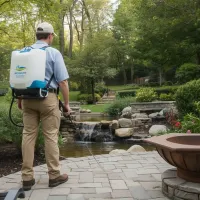
This guide identifies key yard mosquito breeding sites and outlines 5 actionable steps for elimination, backed by CDC/EPA guidance. It compares methods, offers prevention strategies, and guides when to hire mosquito control pros like Pest Solutions for complete control.
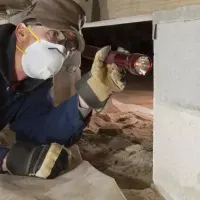
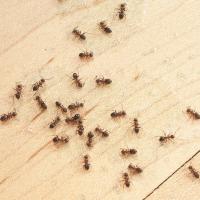
Learn when and why termite swarmers appear in Virginia each spring, how to tell them from flying ants, and the early warning signs to watch for around your home. It also covers practical prevention tips, treatment options, and clear guidance on when to call a local termite professional for inspection and long-term protection.
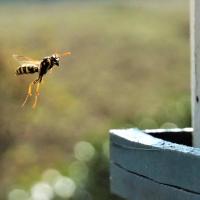
Learn why ground-nesting wasps in Virginia become more aggressive in fall, how to identify nests safely, and when to call a professional for removal.
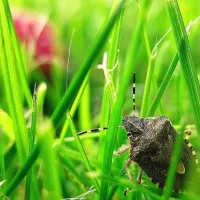
Learn how to prevent stinkbugs and ladybugs from overwintering in your home this fall with expert tips, home prevention strategies, and professional solutions.

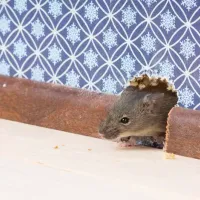
While it’s true that mice tend to remain hidden and come out during the night to scour for food, they do leave some telltale signs. One of the most obvious signs will be a trail of their droppings wherever they frequent.


