
Protecting Richmond’s Historic Homes: A Guide to Termite Control in The Fan & Museum District
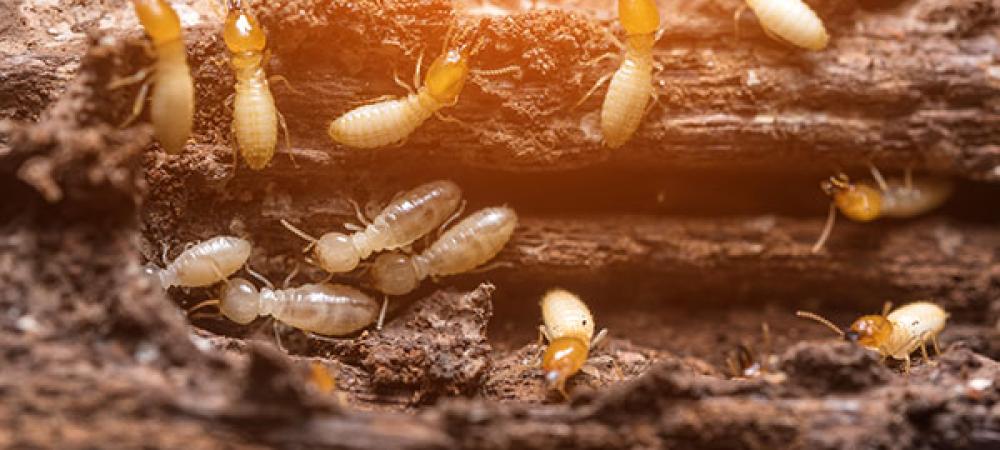
The Fan District and Museum District are two of Richmond's most sought-after neighborhoods, and for good reason. The architecture is remarkable: Victorian row houses, Craftsman bungalows, and Colonial Revival homes built mostly between the 1880s and 1930s, lining streets canopied by mature oaks and elms. That same character that makes these neighborhoods desirable also creates conditions that make termites a persistent and serious threat. Old wood, brick foundations with crawl spaces beneath, dense tree cover keeping the soil damp, and decades of accumulated organic material near the structure are exactly what Eastern subterranean termites are built to exploit.
This guide explains why historic Richmond homes face elevated termite risk, how to identify the warning signs before damage becomes serious, and which treatment options actually make sense for older structures where invasive methods can do harm of their own.
Quick Answer: Are Historic Richmond Homes at Higher Termite Risk?
Yes. Homes in The Fan and Museum District carry several compounding risk factors, including crawl space foundations that place structural wood close to soil, decades of moisture exposure in framing and subfloor, mature landscaping that keeps ground moisture high, and original wood that may have gaps or deterioration that modern framing does not. Annual inspections and a continuous bait or barrier system are the most reliable protection for these properties.
Quick Hits: What Richmond Historic Homeowners Need to Know
- Subterranean termites are the dominant species in Richmond and enter structures from soil through crawl spaces, cracks in foundations, and gaps around plumbing, often without any visible surface signs for years.
- Historic homes with plaster walls, original hardwood floors, and enclosed crawl spaces make termite activity much harder to detect early, which means damage tends to be more extensive by the time it's found.
- No-trench bait systems like Sentricon are especially well-suited to historic properties because they protect the entire structure without drilling into original masonry or disrupting finished surfaces.
Why The Fan and Museum District Are Particularly Vulnerable to Termites
Virginia has one of the highest subterranean termite pressures in the mid-Atlantic region, and Richmond's urban core sits squarely in a high-activity zone. Eastern subterranean termites, Reticulitermes flavipes, are the dominant species here. They live in soil-based colonies that can contain hundreds of thousands of workers and forage actively through soil and wood looking for cellulose. According to Virginia Cooperative Extension, "subterranean termites have a cryptobiotic or 'hidden' lifestyle" meaning they always operate out of sight, entering structures beneath the soil surface and foraging inside wood where they leave no trace until the damage is significant (Miller).
What makes The Fan and Museum District uniquely exposed comes down to the age and construction style of the housing stock. These homes were built before modern construction standards required concrete foundations with a clear gap between soil and structural wood. Many sit on shallow brick piers or continuous masonry foundation walls with unencapsulated crawl spaces beneath. That crawl space configuration puts floor joists, sill plates, and subfloor sheathing in close proximity to moist soil, which is the entry point termites need. Add Richmond's naturally high soil moisture, the shade provided by dense urban tree canopy, and the common presence of aged wood scraps, mulch, and landscaping timbers near historic foundations, and the risk compounds quickly.
We've worked in these neighborhoods for 24 years, and in our experience, the homes that end up with the most significant termite damage are not the ones that were neglected. They're the ones where owners didn't know what to look for until the colony was already well-established. Understanding the risk is the first step toward staying ahead of it. For homeowners preparing to buy in Richmond's historic districts, our post on pest infestation signs while house hunting covers what to ask for before closing.
How to Spot Termite Activity in an Older Richmond Home
Detecting termite activity in a historic home is harder than in modern construction. Plaster walls don't transmit the hollow sounds that drywall does. Original hardwood floors laid over old joists conceal subfloor damage. Dense crawl spaces with limited access make thorough visual inspection difficult without professional equipment. These are the signs that warrant immediate attention.
- Mud tubes on foundation walls, piers, or crawlspace supports. Subterranean termites build pencil-thin mud tunnels to travel between soil and wood while staying protected from the open air. In a brick or block foundation, these tubes often run along mortar joints or utility penetrations. They may be in the interior of the crawlspace and invisible from outside, which is why crawlspace access is essential. Our guide on pests living in your crawlspace explains other signs to look for in this often-ignored part of older homes.
- Swarmers or discarded wings indoors during spring. Richmond's termite swarm season runs from March through June. Finding winged insects or piles of translucent wings near windows, door frames, or interior light fixtures is one of the most visible early warnings of an active colony nearby. Swarmers found inside almost always mean the colony is originating within or immediately under the structure, not from a distant yard location. See our detailed guide on how to spot termite swarmers this spring for identification tips.
- Soft, spongy, or hollow-sounding wood. Tap along baseboards, door casings, and floor joists in the crawlspace. A dull, hollow sound in wood that should feel solid is a strong indicator of internal feeding. In historic homes with original heart pine or old-growth lumber, this sound difference is especially pronounced once damage has progressed.
- Doors and windows that suddenly stick or no longer close cleanly. As termites consume structural wood, framing can shift slightly, causing door and window alignment to change. This symptom is commonly dismissed as seasonal humidity swelling, which is common in older homes. When it's localized to one area of the house or appears without any weather correlation, it deserves a professional look.
- Paint or plaster that looks blistered or shows slight bubbling. Termite activity behind walls creates moisture and releases gases that can cause surface finishes to bubble or blister in patterns unlike normal water damage. In plaster-walled homes, this is subtle and easy to miss during a casual walkthrough.
Termite Treatment Options for Historic Homes: What Works and What to Avoid
Not all termite treatments are equally appropriate for older homes. The wrong approach can damage original masonry, disturb historic finishes, or require drilling through features that can't easily be repaired. The EPA recognizes several approved termite treatment categories, including soil-applied liquid barriers, termite baits, and wood treatments, each with different implications for historic structures (EPA).
Bait systems (the preferred method for historic properties). Sentricon, the system used by Pest Solutions, works by placing in-ground stations around the exterior perimeter of the structure. Worker termites find the bait and carry it back to the colony, which eliminates the entire population, including the queen, over time. The critical advantage for historic homes is that this approach requires no trenching around the foundation, no drilling into original masonry or brick, and no injection of liquid chemicals beneath slabs or through finished surfaces. Sentricon provides 24/7/365 continuous protection and is backed by our $250,000 damage warranty, one of the strongest guarantees available in the Richmond market. For properties where preserving original materials matters, it's the right starting point.
Liquid barrier treatments (for active infestations or high-risk zones). When termites are found actively feeding in a structure or when specific entry points require direct intervention, a non-repellent liquid termiticide applied to the soil creates a treated zone that workers carry back to the colony. In a historic home context, this requires trenching along the foundation exterior, and in some cases drilling beneath interior slabs or concrete porches. This method is effective and often necessary for active infestations, but it should be performed by licensed professionals who understand how to work around original masonry and minimize disruption to finished surfaces.
Wood treatments (preventative and supplemental). Borate-based wood treatments applied directly to exposed framing, floor joists, and sill plates in the crawlspace kill any termites present on contact and create a protective barrier in the wood itself. In a crawlspace encapsulation project, borate treatment is often applied to all exposed wood as part of the process. This is a strong supplemental layer of protection for historic homes where the crawlspace contains decades-old lumber that has never had any protective treatment.
Long-Term Termite Prevention for Fan and Museum District Homeowners
Ongoing prevention is as important as treatment. In Richmond's high-pressure environment, a home with no active protection is rarely a home with no termite risk. These habits make a meaningful difference for properties in historic districts.
- Keep soil and mulch pulled back from the foundation. Maintain at least a four-inch gap between any soil, mulch, or organic material and wood siding, trim, or framing. This removes the direct bridge that termites use to move from the ground into the structure.
- Address crawlspace moisture aggressively. High humidity in an unencapsulated crawlspace is one of the top drivers of termite activity. Crawlspace encapsulation eliminates the moist conditions that subterranean termites require, and it protects floor joists and sill plates from the wood rot that often accompanies long-term moisture exposure in older homes.
- Fix roof leaks, plumbing drips, and gutter overflows promptly. Aerial infestations, where termites establish colonies entirely within the structure without soil contact, occur specifically in homes with chronic moisture from leaks. Virginia Cooperative Extension notes that "homes with flat roofs or chronic leaks are sometimes at risk" for above-ground termite colonies that require no soil connection to survive (Miller).
- Remove wood debris from under and around the home. Old lattice, scrap lumber, abandoned framing materials, and deteriorated wood stored in crawlspaces or against the foundation are direct food sources for foraging termite workers. Remove them entirely.
- Schedule annual professional inspections. In a high-activity zone like central Richmond, an annual inspection by a licensed termite professional is the most reliable early-detection tool available. Many infestations are found at the mud tube or early feeding stage when treatment is simpler and less costly, rather than after structural damage has progressed.
- Review your protection when buying or selling. Historic homes in The Fan and Museum District change hands frequently. A termite inspection and an active protection plan should be part of every transaction, not just those where a lender requires it.
When to Call a Termite Professional in Richmond's Historic Neighborhoods
Some situations are beyond the reach of homeowner prevention and require immediate professional intervention. Act quickly if you notice any of the following on your Fan or Museum District property.
- Mud tubes anywhere on the foundation, crawlspace piers, or interior walls, even if they appear old or inactive.
- Swarmers are found indoors during spring, or in piles of wings on interior windowsills or along baseboards.
- Hollow-sounding wood in areas that should be structurally solid, particularly along floor joists, sill plates, or framing around windows and doors.
- Any visible feeding galleries or maze-like patterns in exposed wood in the crawlspace, attic, or basement.
- A home with no documented termite inspection or active protection in the past 12 months.
Pest Solutions provides free termite inspections for Richmond-area homeowners, with licensed technicians who have specific experience working with the crawlspace foundations and original construction materials common to historic neighborhoods. Our Richmond termite control services include a thorough inspection of all accessible areas, a clear treatment recommendation tailored to your home's construction, and protection options backed by a $250,000 structural damage warranty.
Don't Let History Become a Liability: Get Ahead of Termites in Your Richmond Home
The Fan and Museum District represent some of the finest residential architecture in Virginia. Protecting that investment means taking seriously the threats that come with owning an older home in a high-termite-pressure city. The wood in these homes has already survived more than a century. With the right protection in place, it can survive much more.
Annual inspections, moisture management, and a continuous monitoring system are the three pillars of termite protection for historic Richmond homes. When an infestation is found, acting quickly and choosing treatment methods that respect original materials makes the difference between a manageable remediation and a significant structural repair.
Ready to protect your Richmond home? Pest Solutions has served Virginia homeowners since 2002. Request your free termite inspection today or call 804-448-1170 to schedule with a licensed technician who knows Richmond's historic neighborhoods.
Sources
- Miller, Dini M. "Signs of Subterranean Termite Infestation." VCE Publications, Virginia Cooperative Extension, Virginia Tech, www.pubs.ext.vt.edu/444/444-501/444-501.html.
- United States Environmental Protection Agency. "Termites: How to Identify and Control Them." EPA.gov, 20 Oct. 2025, www.epa.gov/safepestcontrol/termites-how-identify-and-control-them.
- Virginia Cooperative Extension. "Termite Swarm Season." Fluvanna Master Gardeners, 24 Jan. 2011, www.fluvannamg.org/termite-swarm-season/.