
Spring Termite Risk in Virginia: How to Spot Swarmers Before They Devastate Your Home
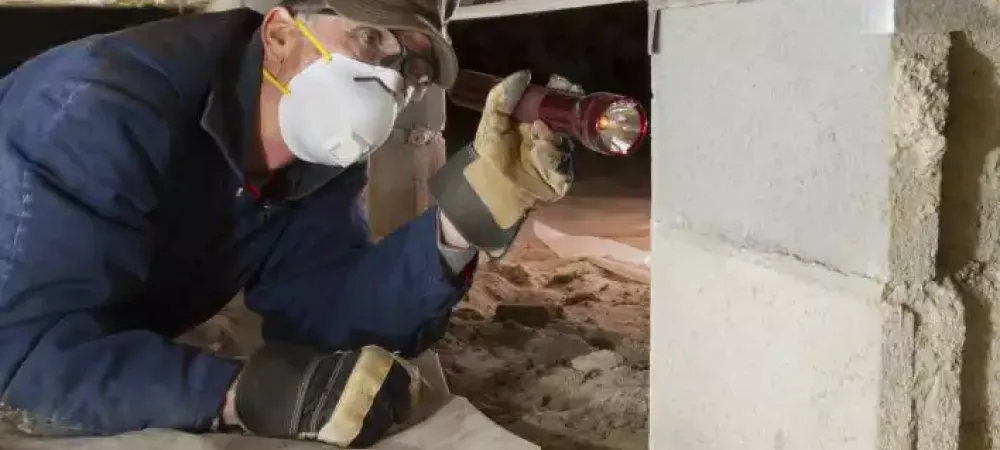
Spring in Virginia is termite swarm season, and those “flying ants” around your windows might be the first warning sign of serious hidden damage. Understanding what swarmers look like, when they appear, and what to do next can help you protect your home before termites damage your walls, floors, and framing.
Quick answer: What Virginia homeowners should watch for in spring
In Virginia, most termite swarmers appear from March through June on warm, humid days, especially after rain, and often gather around windows, doors, and lights. If you suddenly see dozens of winged insects indoors, piles of delicate wings on your windowsills, or “flying ants” with straight antennae and equally sized wings, you are likely seeing termite swarmers and should schedule a professional inspection right away. Catching swarmers early can limit structural damage and save you thousands in repair and treatment costs.
What termite swarmers are and why spring is so risky in Virginia
Termite swarmers, also called alates, are the reproductive termites that leave a mature colony to start new ones, so their presence means there is already an established colony nearby. In high-pressure states such as Virginia, Eastern subterranean termites are common and typically swarm from March through June, when temperatures rise and humidity is high.
Virginia Extension experts explain that “peak swarming season for the subterranean termites in Virginia is from March through June,” and that Eastern subterranean termites “usually swarm in the spring (March–May) during the daylight hours on warm days following a rain.” (Virginia Cooperative Extension, “Termite Swarm Season”) Another Virginia Tech publication notes that “swarming is the termite method of dispersal and establishing new colonies,” and swarmers emerge when conditions are suitable. (Virginia Tech, “Subterranean Termite Biology and Behavior”)
Virginia’s climate and housing styles make this especially important. Many homes here have crawl spaces, decks, and landscaping that keep wood close to damp soil, providing subterranean termites with the conditions they require: moisture, shelter, and easy access to wood. Spring swarmer activity is an early indicator that termites are active and may already be feeding behind walls, under floors, or along support beams, where they are not visible.
How to spot termite swarmers around your Virginia home
Once you've got the timing right and know what weather to watch for, move on to checking the most common places where swarmers show up around your home.
1. Watch the calendar and the weather
As winter breaks and daytime temperatures rise into the 60s, start watching for swarmers from March through June, especially after a warm, rainy stretch. Swarms often appear suddenly and may only last for a day or two, so a brief burst of flying insects in or around your home in spring should never be ignored.
2. Look near windows, doors, and lights
During a swarm, winged termites are strongly attracted to light and will gather around:
- Window sills and sliding glass doors
- Porch lights and exterior entry lights
- Indoor lamps or overhead lights
You might see clusters of dark, ant-sized insects crawling across a sill or screen, or hovering around a single window or light source. Even if they disappear quickly, that brief activity is often the first visible sign of a nearby colony.
3. Check for piles of discarded wings
After termite swarmers mate, they shed their wings, leaving small piles of fragile, translucent wings behind. Look for these wings on:
- Window sills and along baseboards
- Near door thresholds
- Around gaps where pipes or wires come into the house
Finding termite wings indoors is a major red flag because it often means swarmers have emerged from within the structure itself, not just from the yard.
4. Learn the differences: termite swarmers vs. flying ants
Flying ants are common in spring too, so you need simple visual cues to tell them apart. When you can safely get a closer look (or zoom in with your phone camera), focus on three features:
- Antennae
- Waist
- Wings
If you are unsure, try to save a few specimens or take clear photos to show a professional.
5. Look and listen for other early termite warning signs
Once you know you have seen swarmers or suspicious wings, take a slow walk through your home and around the foundation. Keep an eye (and ear) out for:
- Mud tubes climbing foundation walls, piers, or crawlspace supports
- Wood that sounds hollow when tapped or that crumbles at the edges
- Paint or drywall that looks bubbled or blistered like old water damage
- Doors or windows that suddenly stick without any humidity issues
- Faint clicking sounds inside walls, caused by termites moving or soldiers tapping.
These signs do not appear in every case, but when paired with swarming or winged individuals, they strongly suggest an active infestation requiring professional attention.
6. Focus on damp, hidden areas first
Termites are attracted to moisture, so begin your inspection in areas where wood remains damp or where humidity is high. Pay close attention to:
- Crawlspaces and basements with poor ventilation
- Areas below leaky roofs, gutters, or plumbing lines
- Soil and mulch that touch wood siding or deck posts
- Wood steps, porch supports, or landscaping timbers that sit directly on soil.
7. Document what you see before cleaning up
Before you vacuum swarmers or sweep away wings, take several clear photos of what you find and where you find it. These pictures can help a termite professional confirm what you are dealing with and plan a more targeted inspection and treatment.
Your options: DIY monitoring vs. professional termite protection
When you see swarmers, you have choices, and the right option depends on your comfort level, budget, and how long you plan to stay in your home.
DIY monitoring and moisture control
Every Virginia homeowner can benefit from basic moisture control and monitoring, even if they have not seen termites yet. Helpful steps include:
- Keeping mulch and soil several inches below the siding and pulled back from the foundation
- Fixing leaky gutters, downspouts, and outdoor spigots so water flows away from the house
- Improving crawlspace ventilation and, if needed, adding vapor barriers or dehumidifiers
- Avoid stacking firewood, lumber, or cardboard against exterior walls.
These habits make your home less attractive to termites and are part of good long-term maintenance, but they do not remove an existing colony.
Store-bought treatments
Home centers sell termiticide sprays, foams, and stakes that offer limited, localized control. While these products can kill termites on contact in small areas, they typically do not provide the continuous soil barrier or strategic baiting needed to control subterranean colonies that may extend far beyond the visible signs.
Professional inspection and treatment
Professional termite protection focuses on the entire structure, not just one problem spot. The U.S. Environmental Protection Agency notes that approved termite treatments include “liquid soil-applied termiticides, termite baits, building materials impregnated with termiticides, and wood treatments.” (United States Environmental Protection Agency, “Termites: How to Identify and Control Them”)
For Virginia homeowners, professional termite service offers key advantages:
- Trained technicians who understand local soil types, construction styles, and common termite species
- Careful inspections in hard-to-reach areas like crawlspaces, attics, and utility penetrations
- Long-lasting treatment options and monitoring plans that defend the structure over time.
In a state with heavy termite pressure, this level of protection is often far less expensive than repairing floors, framing, and finished surfaces after years of hidden activity.
Spring termite prevention tips for Virginia homes
You cannot completely remove termites from the environment, but you can make your home a much harder target. Focus on these practical, long-term habits:
- Keep mulch, soil, and plant beds several inches below the siding and pulled away from the foundation.
- Avoid direct wood-to-soil contact for deck posts, steps, and fence posts; use concrete footers or metal brackets instead.
- Repair leaks in gutters, downspouts, and outdoor spigots to prevent water from pooling near the foundation.
- Improve crawlspace conditions by ensuring proper ventilation and, where appropriate, by installing vapor barriers or dehumidifiers.
- Seal cracks in the foundation and gaps around pipes, utility lines, and expansion joints to reduce hidden entry points.
- Schedule regular professional termite inspections, especially if your home is more than a few years old or you live in a known high-activity area.
When to call a termite professional in Virginia
Some situations are too risky for a “wait and see” approach and require expert help immediately. You should contact a licensed termite company quickly if:
- You find swarmers or piles of wings inside your home
- You see mud tubes on foundation walls, piers, or basement/crawlspace surfaces
- You notice soft, warped, or hollow-sounding wood, or blistered paint that does not match a plumbing leak
- Doors or windows suddenly begin to stick in just one part of the house
- Your home, or nearby homes in your neighborhood, have a history of termite problems.
If you have noticed flying insects, piles of wings on your windowsills, or suspicious mud tubes around your foundation, schedule a detailed termite inspection with Pest Solutions. Our team provides targeted termite treatment plans designed for Virginia homes and soil conditions, so you can stop the damage before it spreads.
Protect your Virginia home before swarmers turn into costly damage
Spring swarmers are one of the clearest signals that termites are active in and around your home, and ignoring them can give a growing colony more time to damage your structure. By learning how to recognize swarmers, watching the timing of Virginia’s swarm season, and acting quickly with inspection, prevention, and professional treatment, you can stay ahead of costly repairs.
Sources:
- Virginia Cooperative Extension. “Termite Swarm Season.” Fluvanna Master Gardeners, 24 Jan. 2011.
- Virginia Tech. “Subterranean Termite Biology and Behavior.” Virginia Cooperative Extension, Rockingham County.
- United States Environmental Protection Agency. “Termites: How to Identify and Control Them.” EPA, 20 Oct. 2025.