
Common Pests To Look Out for in Richmond, VA: A Guide
Richmond's combination of humid summers, mild winters, mature tree cover, and a mix of old and new housing stock creates year-round conditions that support a wide variety of pests. Some are a nuisance. Others are a genuine threat to your home's structure or your family's health. Knowing which pests are most common in this area, what they look like, and when they tend to appear is the foundation of protecting your home before a small problem becomes a big one.
This guide covers the pests Pest Solutions encounters most frequently across Richmond and the surrounding communities we serve, including what makes each one a concern specific to this region.
Quick Answer: What Are the Most Common Pests in Richmond, VA?
The most common home-invading pests in Richmond include Eastern subterranean termites, mosquitoes, ants, house mice and rats, cockroaches, bed bugs, stink bugs, wasps, and fleas and ticks. Richmond's warm, humid climate, older housing stock, and proximity to waterways create conditions that support all of these species, often at higher activity levels than in other mid-Atlantic cities.
Key Takeaways for Richmond Homeowners
- Virginia supports 58 known mosquito species and ranks among the top cities nationally for mosquito pressure, with Richmond's James River corridor driving seasonal surges.
- Eastern subterranean termites are active in Richmond soil year-round and are responsible for billions of dollars in structural damage nationwide annually, often with no visible signs until the damage is significant.
- The EPA identifies cockroaches, rodents, mosquitoes, ticks, and bed bugs as pests of significant public health importance, all of which are regularly encountered in Richmond homes.
Termites: Richmond's Most Costly Silent Pest
Eastern subterranean termites are the dominant termite species across central Virginia and one of the most financially damaging pests any Richmond homeowner can face. According to Virginia Cooperative Extension, these termites operate with a "cryptobiotic or 'hidden' lifestyle," staying out of sight beneath soil, inside wood, and inside mud tunnels, which means most homeowners have no idea they have an active colony until swarmers appear or damage is discovered during renovation (Miller).
Richmond's older housing stock, widespread crawlspace foundations, and naturally moist soil create ideal entry conditions. Termite pressure is highest in the spring when swarm season runs from March through June, but workers are feeding year-round. Warning signs include mud tubes on foundation walls, hollow-sounding framing, paint that looks blistered without an obvious water source, and winged insects near windows or interior lights.
Professional termite control in Richmond with annual inspections and a continuous monitoring system is the most reliable protection for homes in this region. Pest Solutions uses the Sentricon bait system, which eliminates entire colonies without trenching or chemical injection, and backs treatment with a $250,000 structural damage warranty.
Mosquitoes: A Season-Long Problem Tied to the James River
Richmond consistently ranks in the national top 20 for mosquito pressure, and the city's location along the James River floodplain is a major reason why. Floodwater mosquitoes, particularly Aedes vexans, lay dormant eggs in floodplain soil that hatch in waves every time the James rises after rain. That cycle produces repeated population surges throughout the summer, independent of what's happening in any individual yard.
Mosquito season in Richmond typically runs from April through October. On top of the floodwater surge species, Culex pipiens, the Northern House Mosquito, breeds in stagnant urban water and is the primary carrier of West Nile virus in Virginia. The EPA lists mosquitoes among pests of significant public health importance, noting their role in spreading diseases including West Nile, Eastern equine encephalitis, and La Crosse encephalitis (EPA).
Homeowners should eliminate standing water weekly, clear gutters, and trim dense vegetation near outdoor living areas. For consistent, season-long relief, Pest Solutions's mosquito control in Richmond includes monthly barrier treatments from April through October, targeting both adult resting sites and breeding zones.
Ants: Small Insects, Big Infestations
Ants are one of the most common reasons Richmond homeowners call for pest control, and for good reason. Several species are active here, each with different nesting habits and behaviors. Odorous house ants invade kitchens in large numbers following rain events that disturb their outdoor colonies. Pavement ants nest beneath concrete slabs, driveways, and sidewalks, and can appear suddenly in basement and ground-floor areas. Carpenter ants are the most structurally concerning species, nesting in damp or decaying wood and creating galleries that, over time, can weaken framing in crawlspaces, decks, and exterior walls.
In our experience serving Richmond-area homes, ant activity spikes twice a year, in late spring when colonies expand and again in late summer when foragers push harder searching for food before temperatures drop. A single successful scouting ant laying a pheromone trail can bring hundreds of workers into a kitchen within hours. Sealing entry points, eliminating food sources, and treating nesting sites are all necessary for lasting control. Pest Solutions's ant control service targets active colonies and creates a protective perimeter around the structure.
Mice and Rats: Year-Round Pressure in Richmond's Urban Core
House mice and Norway rats are persistent pests throughout the Richmond metro area. As temperatures drop in fall and early winter, rodents actively seek entry points in search of warmth and food, and Richmond's older housing stock, with its gaps in masonry, aging foundation sills, and utility penetrations, provides plenty of ways in. A mouse can squeeze through a gap the size of a dime. Once inside, they contaminate food, chew through wiring (a documented fire hazard), and reproduce rapidly.
Rodents are also a public health concern. The EPA identifies rats and mice as pests controlled specifically to prevent rodent-borne disease transmission and food contamination (EPA). Signs of rodent activity include droppings along baseboards and in cabinets, gnawed food packaging, greasy rub marks near entry points, and scratching sounds at night, particularly in walls or the attic.
Professional rodent control addresses not just the existing population but the entry points that allow them in. Exclusion work, combined with bait station placement and monitoring, is the most effective long-term approach for Richmond properties.
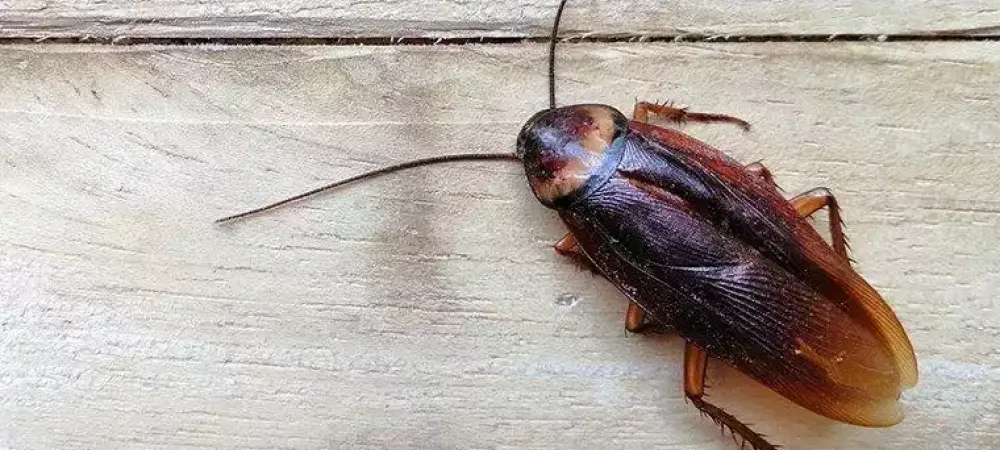
Cockroaches: Two Species You're Most Likely to See in Richmond
German cockroaches and American cockroaches are the two species Richmond homeowners encounter most often, and they present very different challenges. German cockroaches are small, fast-reproducing insects that establish primarily in kitchens and bathrooms. They're most common in multifamily housing but spread easily between units. Virginia Cooperative Extension notes that "managing cockroaches in multifamily residential housing requires a community effort as pests in untreated units can spread to previously treated units" (VCE).
American cockroaches, sometimes called palmetto bugs, are larger and more common in crawlspaces, basements, and utility areas. They move up into living spaces through drains, gaps around pipes, and crawlspace access points, particularly during wet periods when outdoor conditions become unfavorable. Cockroaches are known to contribute to asthma and allergy symptoms through shed skins and droppings, making them a health concern beyond the obvious.
Bed Bugs: Increasingly Common Across Richmond
Bed bug activity has increased steadily across Richmond in recent years, driven largely by travel and the secondhand furniture market. Bed bugs do not indicate poor sanitation. They are skilled hitchhikers that attach to luggage, clothing, and upholstered items and can establish in any home regardless of how clean it's kept.
The most common signs are small blood spots on bedding, a sweet or musty odor in heavily infested rooms, and the presence of rust-colored fecal spots along mattress seams, headboards, and baseboards. Bites alone are not a reliable indicator since many people do not react visually to bed bug bites. For a detailed breakdown of what to watch for, see our post on five signs of bed bugs. Professional heat or chemical treatment is required to eliminate an established infestation. DIY methods rarely penetrate all harborage areas, allowing populations to rebound.
Seasonal Invaders: Stink Bugs, Wasps, and Other Fall and Spring Pests
Brown marmorated stink bugs are a fixture of Richmond fall pest calls. As temperatures cool in September and October, these insects aggregate on the south and west-facing walls of homes seeking entry into wall voids and attic spaces where they overwinter. They don't feed or reproduce inside the home, but they cluster in large numbers and release a pungent odor when disturbed or crushed.
Yellow jackets and other ground-nesting wasps become increasingly aggressive as summer transitions to fall and their colonies reach peak size. Nests in lawn voids, under decks, or inside wall cavities near entry points create real sting risk, particularly for children and anyone with venom allergies. Bee and wasp pressure in Richmond typically peaks from August through October. Professional nest removal is safer and more effective than DIY treatment, especially for nests inside structural voids.
Fleas and Ticks: A Real Risk for Richmond Families and Pets
Richmond's combination of warm summers, woodland edges, and abundant wildlife populations, including deer, rabbits, and white-footed mice, makes tick exposure a genuine concern for homeowners across Henrico, Chesterfield, and the surrounding counties. The deer tick, Ixodes scapularis, is the primary vector for Lyme disease in Virginia. Dog ticks and lone star ticks are also common and can transmit Rocky Mountain spotted fever and ehrlichiosis.
Fleas tend to peak in late summer when outdoor populations are highest and begin moving indoors as temperatures cool. Both pets and people serve as hosts, and flea populations can establish quickly indoors once they're brought in. Treating the yard, the home, and the pet simultaneously is necessary for effective flea control. Pest Solutions's flea and tick control addresses all three environments as part of a comprehensive protection plan.
General Pest Prevention Tips for Richmond Homeowners
- Seal gaps around doors, windows, pipes, and utility entries. Most pests, from mice to cockroaches to ants, enter through very small openings. Caulk and weatherstripping are low-cost, high-impact tools.
- Eliminate moisture sources inside and outside the home. Standing water, dripping fixtures, and humid crawlspaces attract termites, mosquitoes, cockroaches, and rodents alike.
- Keep firewood, mulch, and landscaping debris away from the foundation. These materials provide food and shelter for termites, ants, and rodents within easy reach of the structure.
- Store food in sealed containers and take out garbage regularly. Cockroaches and rodents rely on accessible food sources. Removing them reduces establishment risk significantly.
- Schedule annual inspections for termites. In Richmond's high-pressure environment, annual inspection is the only reliable way to catch termite activity before structural damage becomes costly.
- Use year-round pest protection. Many pests overwinter in wall voids, crawlspaces, and soil and become active again in spring. Consistent protection through the off-season prevents population buildups before peak activity begins.
When to Call a Pest Control Professional in Richmond
Some pest problems can be managed with consistent DIY prevention habits. Many cannot. Termites, rodents inside the structure, cockroach infestations that persist after sanitation improvements, and any pest that poses a direct health or structural risk should be addressed by a licensed professional. In a city with Richmond's pest pressure, having an active protection plan rather than reacting to infestations after the fact is the most cost-effective approach over time.
Pest Solutions has served Virginia homeowners for 24 years with licensed, family-owned pest control backed by a satisfaction guarantee. Our Richmond pest control services cover everything from annual termite protection to mosquito season plans, rodent exclusion, and general home pest programs. Request a free quote today or call 540-264-9591 to schedule a service that fits your home and your season.
Sources
- United States Environmental Protection Agency. "List of Pests of Significant Public Health Importance." EPA.gov, www.epa.gov/insect-repellents/list-pests-significant-public-health-importance.
- Virginia Cooperative Extension. "Cockroaches Found in Living Spaces." VCE Publications, Virginia Tech, www.pubs.ext.vt.edu/ENTO/ento-528/ento-528.html.
- Miller, Dini M. "Signs of Subterranean Termite Infestation." VCE Publications, Virginia Cooperative Extension, Virginia Tech, www.pubs.ext.vt.edu/444/444-501/444-501.html.