
Why Do Cockroaches Come Out at Night?
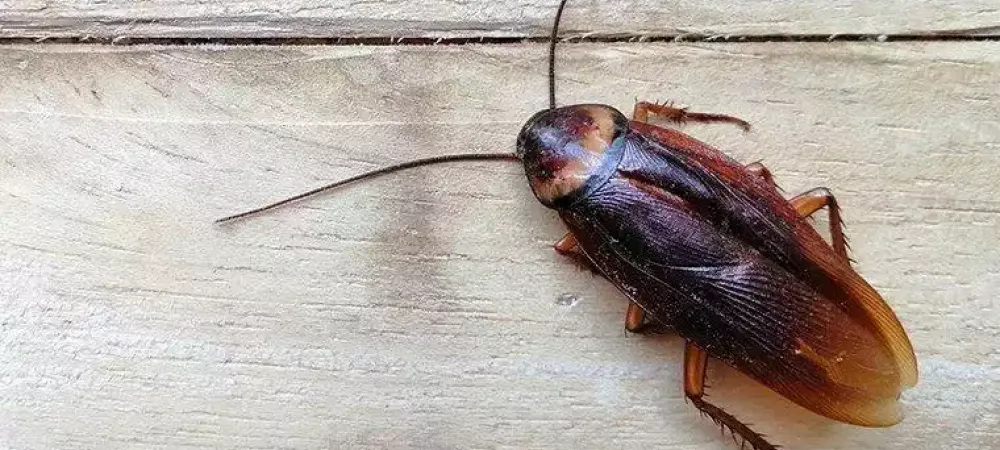
If you've ever flipped on a kitchen light at midnight and watched roaches scatter toward the nearest hiding spot, that reaction isn't random. It's a hardwired biological response, and it's the same reason you rarely see roaches out in the open during the day even when a population is already established in a home.
Cockroaches are wired to avoid light, a behavior called negative phototaxis. Light exposure historically meant a higher risk of predators and faster water loss through their exoskeleton, so cockroaches evolved to forage, mate, and explore during darkness when conditions are safer and more humid. This is instinct, not a learned habit, which is why it happens even in homes with no natural predators.
Why Are Cockroaches Wired to Avoid Light?
Cockroaches have light-sensing cells that trigger an automatic retreat response when exposed to brightness, similar to a reflex rather than a conscious decision. Darkness also tends to correlate with higher humidity, which matters because cockroaches lose water quickly through their exoskeleton and rely on moist environments to survive. Nighttime activity lets them forage for food and water while minimizing both of those risks at once.
What Does It Mean If You See a Cockroach During the Day?
A single cockroach spotted at night is normal behavior. A cockroach seen moving around in daylight is a different signal entirely, and usually points to one of a few specific causes:
| What you notice | What it usually means |
|---|---|
| One roach seen briefly at night, then gone | Normal nocturnal foraging behavior, not necessarily a sign of infestation |
| Roaches seen during the day in normal conditions | Often indicates overcrowding, where a large population has outgrown available nighttime hiding spots |
| Roaches seen after moving furniture or boxes | Their hiding spot (harborage) was physically disturbed, forcing them into the open regardless of time of day |
| Roaches seen consistently in daylight over several days | Suggests an established, larger infestation rather than a single stray insect |
Where Do Cockroaches Hide During the Day?
During the day, cockroaches retreat to dark, tight spaces that offer both cover and access to moisture:
- Underneath and behind major appliances like refrigerators and stoves
- Inside wall voids and cabinet gaps
- Near drains, sink pipes, and other consistently damp areas
- Inside stacked cardboard, paper bags, or cluttered storage areas
Why Are Nighttime Sightings a Useful Way to Check for Roaches?
Because cockroaches are reliably nocturnal, checking known hiding spots at night with a flashlight is one of the more effective ways to gauge how active a population actually is, since daytime inspections alone can significantly underestimate the real number present. A sudden burst of activity when a light is switched on in a dark kitchen is a normal startle response, not evidence that the light itself is causing new roaches to appear.
When to Call a Professional
Seeing cockroaches in daylight, especially more than once, is one of the more reliable early indicators that a population has grown beyond what nighttime sightings alone would suggest. A licensed pest management professional can assess harborage locations, identify the species (which affects treatment approach), and apply targeted treatment rather than relying on visible activity alone to gauge the problem.
Frequently Asked Questions
No. Light doesn't harm cockroaches, it triggers an instinctive retreat response. Turning on a light will usually cause visible roaches to scatter toward hiding spots, but it doesn't reduce the population.
Not in terms of the insect itself, but a daytime sighting is a stronger signal of a larger, more established population, which carries more health and property risk than an isolated nighttime sighting.
Most common household species (German cockroaches, American cockroaches) show strong light avoidance. The degree can vary slightly by species, but negative phototaxis is a near-universal trait among cockroaches that infest homes.
Kitchens combine the two things cockroaches seek most: a reliable food source and consistent moisture from sinks, dishwashers, or plumbing, making them one of the most common nighttime activity zones in a home.
That's often a sign the population is bigger than it looks. Let's take care of it.
Get a Free Quote