
Why Do Ants Disappear and Then Suddenly Come Back?
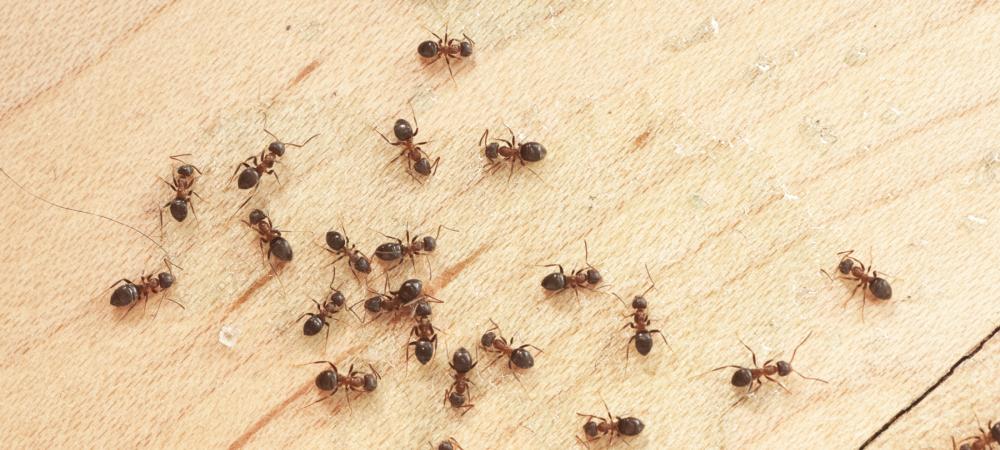
Ants don't actually leave. When an ant trail disappears, the colony has usually just shifted its foraging elsewhere in response to weather, food availability, or a disrupted scent trail. The ants come back when one of those conditions changes again, often in the exact same spot, because the nest itself never moved.
Why Trails Vanish and Reappear
A visible ant trail is only a small fraction of the colony. Most ant colonies keep the vast majority of their workers underground or inside a wall void at any given time, and only send out foragers when conditions favor it. When a trail vanishes, it typically means foraging activity has paused, not that the colony has left or died off. When the trail reappears, it's almost always the same colony resuming activity, not a new infestation starting from scratch.
Why Ant Trails Seem to Disappear
Ant colonies constantly adjust foraging behavior based on a few specific triggers:
- Pheromone trail breakdown. Foraging trails are chemical, not physical. If the trail is disturbed by cleaning, rain, or simply enough time passing, the scent fades and workers stop following it until scouts lay down a new one.
- Food source depletion or relocation. If the original food source (a spill, a pet's food bowl, a trash bin) is cleaned up or moved, the trail leading to it becomes pointless and workers redirect elsewhere.
- Weather shifts. Ants reduce surface activity during heavy rain, extreme heat, or sudden cold snaps, then resume once conditions stabilize.
- Colony-level reallocation. Colonies periodically shift worker assignments between foraging, brood care, and nest maintenance, which can make foraging activity look like it stopped entirely for a stretch.
What's Actually Happening When Ants "Come Back"
When ants reappear, in most cases it's the same colony sending out a new set of scouts that happen to relocate the same food source or reopen the same entry point. The nest itself, whether it's in a wall void, under a slab, or outside near the foundation, typically hasn't moved during the gap. This is why treating only the visible trail rarely solves the problem long-term: the trail is a symptom, not the source.
Is It the Same Colony or a New One?
Most of the time, a reappearing trail in the same location is the original colony, not a new infestation. Here's how to tell the difference:
| What you notice | What it usually means |
|---|---|
| Same species, same general path as before | Strongly suggests the original colony resuming activity |
| Trail reappears within days to a few weeks | Consistent with a foraging pause, not colony death |
| Different species or a new entry point | More likely a separate colony taking advantage of the same conditions |
| Gap of a full season or longer before it returns | Worth a fresh inspection rather than assuming it's the same colony |
Because multiple colonies can exist on the same property, don't assume a "new" trail after a long gap is automatically the original colony coming back.
Foragers vs. an Active Nest Indoors
Seeing a few ants is not the same as having a nest inside the structure. Foraging ants can travel considerable distances from an outdoor nest to reach a food source indoors. Signs that point to an indoor nest rather than outdoor foragers passing through include:
- Ants appearing consistently in the same indoor location regardless of food availability
- Small piles of debris (frass) near baseboards, window frames, or wall voids
- Winged ants (swarmers) appearing indoors, which can indicate an established colony large enough to reproduce
When to Call a Professional
A recurring trail that keeps coming back despite cleaning and sealing food sources usually means the nest itself hasn't been addressed, only the symptom has. A licensed pest management professional can identify the species, locate the nest (not just the visible trail), and apply treatment that targets the colony rather than the workers currently visible. This matters most for species like carpenter ants, which can cause structural damage and are frequently mistaken for a "come and go" nuisance ant.
Frequently Asked Questions
No. In most cases the colony is still active but has stopped sending foragers to that specific spot, usually because the food source or scent trail changed, not because the colony itself died off.
It varies, but a foraging pause of a few days to a few weeks is common and doesn't indicate a new infestation. A gap of a full season or longer is more likely to reflect a second, separate colony rather than the original one resuming.
It removes the reason foragers were visiting that spot, but it doesn't eliminate the nest. The colony will typically send scouts to find a new food source rather than disappear entirely.
Yes. If the nest hasn't been located and treated, the same entry point and trail can reappear repeatedly over an extended period, since the underlying colony hasn't been addressed.
A licensed technician can find the actual nest, not just the visible trail.
Get a Free Quote