
Mosquito Breeding Hotspots Around Your Yard (and What Actually Works to Eliminate Them)
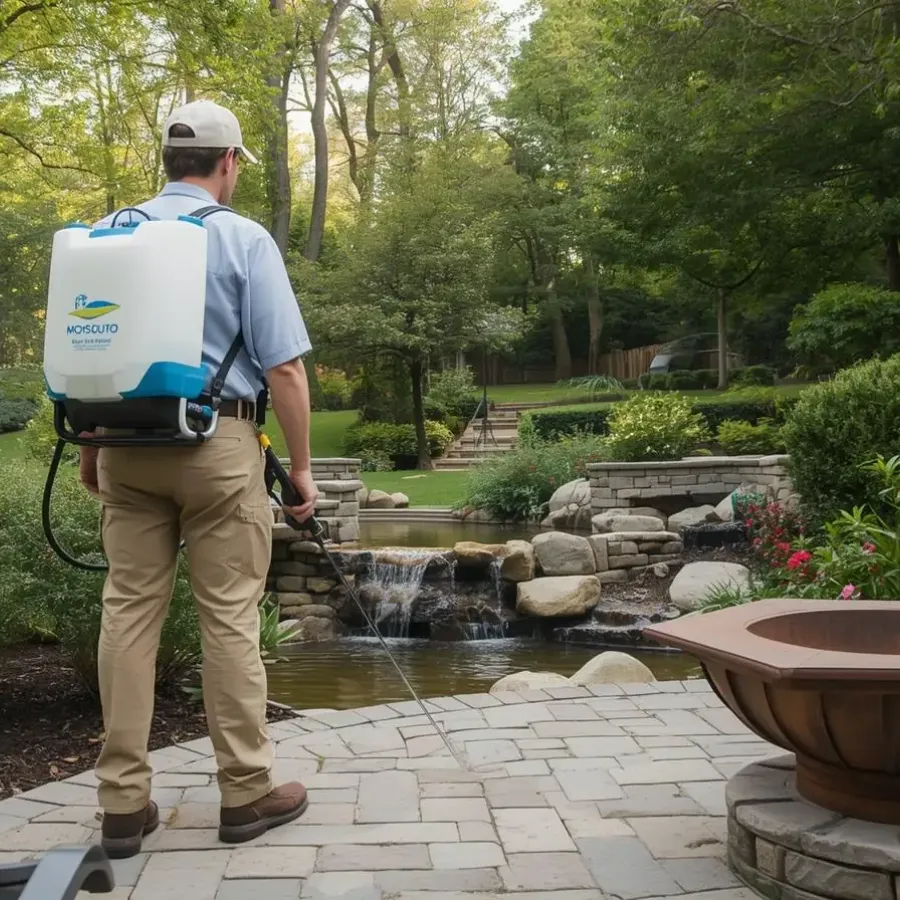
Summer barbecues and evening relaxation in your Virginia yard shouldn't mean constant mosquito bites. These pests breed in overlooked standing water, turning your outdoor space into their nursery, but targeted elimination restores peace quickly. This guide reveals common hotspots, proven removal steps, and pro tips for lasting control.
Quick Answer:
Mosquitoes thrive in standing water, such as clogged gutters, plant saucers, and low spots in the yard. Check weekly and dispose of it. Use larvicides in unavoidable areas and improve drainage to achieve an 80-90% reduction. For stubborn infestations in Virginia, pros like Pest Solutions deliver reliable results.
Why Mosquito Hotspots Thrive in Yards
Mosquito females lay hundreds of eggs in even a bottle cap's worth of still water, hatching into biting adults within days. Virginia's humid climate and frequent rains make yards prime real estate, especially shaded areas where water lingers. This not only causes annoyance but also poses risks, including the risk of West Nile virus transmission.
The Centers for Disease Control and Prevention explains, "Once a week, empty and scrub, turn over, cover, or throw out items that hold water, such as tires, buckets, toys, pools, birdbaths, flowerpot saucers, or trash containers" (Centers for Disease Control and Prevention). The United States Environmental Protection Agency reinforces, "Eliminate standing water in rain gutters, old tires, buckets, plastic covers, toys, or any other container where mosquitoes can breed" (United States Environmental Protection Agency). These steps break the breeding cycle at its source.
Identify and Eliminate in 5 Steps
Start inspections after rain, focusing on shaded, low-lying areas where larvae are present. Weekly checks catch issues early, preventing population explosions common in clay-rich Virginia soils.
- Scan for standing water sources. Gutters top the list, clear debris, and extend downspouts away from foundations. Fill yard depressions with soil to end puddles.
- Empty small containers promptly. Birdbaths, wheelbarrows, and saucers breed fastest; refresh or dry them daily. EPA guidance stresses this simple habit.
- Drain big items completely. Empty kid pools after play, pull tarps taut to shed water, and discard old tires, hidden yard mosquito hotspots.
- Apply larvicides to persistent water. Screen rain barrels and drop mosquito dunks in ponds; these bacteria target larvae safely without harming pets.
- Boost yard drainage long-term. Regrade slopes, fix leaks, and aerate soil. Revisit bi-weekly to confirm success.
Comparing Elimination Methods
Drain-and-cover outperforms chemicals for most homes, remove water first, as EPA promotes nonchemical prevention like "eliminating standing water that provide breeding sites" (United States Environmental Protection Agency). It's free and eco-friendly, but it requires consistent effort for large yards.
Larvicides are effective for ponds, killing eggs before they hatch with minimal refills required. Biological options, such as Gambusia fish, naturally consume aquatic larvae in decorative water features.
Adult fogging offers quick bite relief but misses breeding roots, leading to rebounds; reserve it for events alongside source control. Pick drainage for small spaces, larvicides for water features, and integrated approaches for wooded Virginia properties.
Long-Term Prevention Strategies
Build habits to keep mosquito breeding hotspots at bay year-round:
- Flush gutters seasonally to prevent overflows.
- Trim bushes and tall grass where adults rest.
- Run patio fans; wind disrupts mosquito flight.
- Add citronella plants near seating, backed by water management.
- Cover and chlorinate pools properly.
These integrated tips ensure Virginia yards stay welcoming.
When Professionals Take Over
DIY works for minor issues, but call experts for widespread infestations, post-rain surges, or wooded yards that persist after two weeks. Virginia's heavy storms often overwhelm home fixes.
Pest Solutions provides thorough inspections, barrier treatments, and source elimination. Visit our mosquito control page for pet-safe plans tailored to local conditions. Pros identify hidden hotspots you miss, reducing disease risk.
Final Steps to a Bite-Free Yard
Eliminate standing water through regular inspections, follow the proven steps, and perform ongoing prevention; your yard will transform quickly. Virginia homeowners can reclaim their outdoor spaces and reduce the risk of disease through these reliable tactics.
Ready to eliminate mosquitoes for good? Schedule a free inspection with Pest Solutions today or call for service in Virginia. Enjoy worry-free summers now!
Sources
- Centers for Disease Control and Prevention. "Preventing Mosquito Bites." CDC.gov, 27 Aug. 2024.
- United States Environmental Protection Agency. "Tips to Prevent Mosquito Bites." EPA.gov, 14 May 2025.
- United States Environmental Protection Agency. "Joint Statement on Mosquito Control in the United States." EPA.gov, 22 July 2025.