
How Do Bed Bugs Actually Get Into a Home?
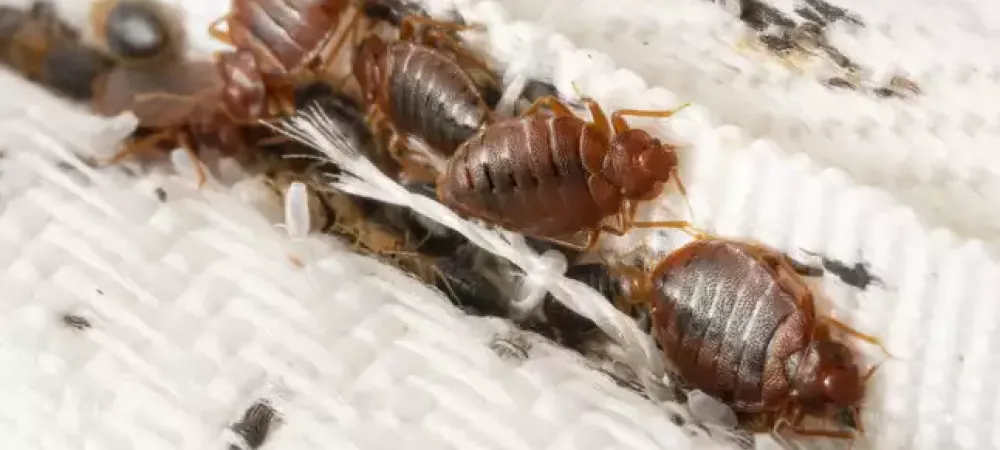
Bed bugs don't fly, jump, or come in on their own. They enter a home exclusively by hitchhiking, riding in on luggage, used furniture, clothing, or other items that were recently in an infested space. Without something to hitch a ride on, bed bugs generally cannot travel from one location to another.
Why Bed Bugs Can't Just Show Up on Their Own
Bed bugs have no wings and are poor jumpers compared to fleas. Their only way to relocate any real distance is to crawl onto a host or an object and be carried somewhere new. This is why bed bug problems are almost always traceable to a specific recent event: a trip, a piece of secondhand furniture, or contact with someone else's infested belongings, rather than a pest simply wandering in.
The Most Common Entry Points
| Entry point | Why it's high risk |
|---|---|
| Hotel or short-term rental stays | Bed bugs travel between rooms via luggage and can hide in seams of mattresses and headboards undetected |
| Secondhand furniture, especially upholstered pieces | Mattresses, couches, and recliners offer seams and cushioning bed bugs can hide in for months without feeding |
| Guests' luggage or overnight bags | Anyone who recently traveled or stayed somewhere infested can unknowingly bring bed bugs in on their belongings |
| Shared laundry facilities | Bags and baskets used to transport clothing can pick up bed bugs from a nearby infested unit |
| Multi-unit housing (apartments, condos) | Bed bugs can travel through wall voids, electrical conduits, and shared plumbing between adjoining units |
| Used clothing or textiles | Thrift store items and hand-me-downs that haven't been washed or heat-treated can carry bed bugs or eggs |
Why Hotels and Multi-Unit Buildings Are Higher Risk
Hotels see a constant rotation of travelers, which means a single infested guest can introduce bed bugs, and the close proximity of rooms allows spread even with regular cleaning. Multi-unit housing carries a similar risk, but for a different reason: bed bugs can move between adjoining units through small gaps in shared walls, baseboards, and utility penetrations, without ever needing an object to hitch a ride on inside the building itself.
Can Bed Bugs Come From the Yard or Pets?
Bed bugs are not an outdoor pest and don't live in yards, gardens, or lawns under normal conditions. They also don't live on pets the way fleas do, since bed bugs feed and then retreat to a hiding spot rather than living on a host full-time. If bed bugs appear in a home with no recent travel or secondhand furniture, the more likely source is a visiting guest, a shared wall in multi-unit housing, or an item brought in from a workplace, school, or public transportation.
How Can You Reduce Your Risk After Travel?
A few habits meaningfully lower the odds of bringing bed bugs home after a trip:
- Inspect the mattress seams, headboard, and luggage rack of a hotel room before unpacking
- Keep luggage off the bed and off upholstered furniture during a stay
- Run clothing through a hot dryer cycle for at least 30 minutes after returning home, since heat above 120°F kills bed bugs and eggs
- Inspect secondhand furniture closely, especially seams, folds, and the underside of cushions, before bringing it inside
When to Call a Professional
Because bed bugs hide in seams, wall voids, and other small spaces, a few visible bugs are often a sign of a larger population already established nearby. A licensed pest management professional can identify the extent of an infestation with tools like visual inspection and monitoring, and apply treatment methods (such as heat treatment or targeted insecticide application) that DIY approaches typically can't match for full elimination.
Frequently Asked Questions
Yes, if an infested item like luggage or a bag was placed inside, bed bugs can survive in a vehicle for a period of time, though they prefer the more stable environment of a home.
No. Bed bugs are drawn to hosts for blood meals, not food debris or clutter, so infestations happen in clean homes just as often as cluttered ones. Clutter can make an existing infestation harder to treat, but it isn't the cause.
Several months under the right conditions, which is part of why they can hide undetected in secondhand furniture or unused rooms for extended periods before a person notices bites.
Yes. A single fertilized female can lay eggs and establish a population over a period of weeks to months, which is why early detection after travel or a secondhand furniture purchase matters.
A licensed technician can inspect, confirm, and treat it before it spreads.
Get a Free Quote